चुंबकत्व और विद्युत का विज्ञान
चुंबकत्व और विद्युत का विज्ञान मूल रूप से यह कहानी है कि मानव ने प्रकृति की बुनियादी शक्तियों को कैसे समझा और उनका उपयोग करना सीखा। यह खोज, जिज्ञासा और नवाचार की कहानी है।
SCIENCE
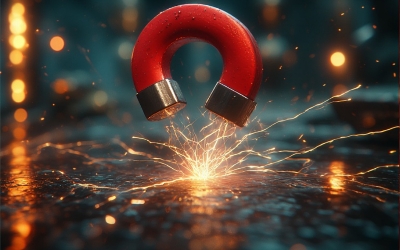

चुंबकत्व और विद्युत प्रकृति की दो सबसे शक्तिशाली और रोचक शक्तियाँ हैं। मिलकर ये लगभग हर आधुनिक तकनीक की नींव बनाती हैं—आपके हाथ में मौजूद मोबाइल फोन से लेकर पूरे शहरों को रोशन करने वाले बड़े बिजली संयंत्रों तक। अपने मूल में, ये दोनों शक्तियाँ विद्युत आवेशों (चार्ज) की गति और व्यवहार से पैदा होती हैं, इसलिए ये एक ही भौतिक वास्तविकता के गहराई से जुड़े हुए हिस्से हैं। इन्हें समझना ऐसा है जैसे ब्रह्मांड में फैली उन अदृश्य डोरियों को पहचानना, जो पदार्थों की आपसी क्रिया, ऊर्जा के प्रवाह और प्रकृति पर मानव के नियंत्रण को आकार देती हैं।
चुंबकत्व की शुरुआत गतिमान आवेशों से होती है। जब भी इलेक्ट्रॉन किसी तार में बहते हैं, तो उनके चारों ओर एक चुंबकीय क्षेत्र बनता है, जो तालाब में उठती लहरों की तरह अदृश्य बल रेखाएँ बनाता है। यही सरल सिद्धांत विद्युत चुंबक, मोटर, स्पीकर और ट्रांसफॉर्मर का आधार है। पृथ्वी स्वयं भी एक विशाल चुंबक की तरह व्यवहार करती है, जिसके उत्तर और दक्षिण ध्रुव होते हैं। यह चुंबकीय क्षेत्र पृथ्वी के भीतर पिघले हुए लोहे की हलचल से बनता है।
यह ग्रह-स्तरीय चुंबकीय क्षेत्र जीवन की रक्षा करता है—यह सूर्य से आने वाली हानिकारक किरणों को रोकता है, पक्षियों और जानवरों को दिशा पहचानने में मदद करता है, और कम्पास को काम करने योग्य बनाता है। लेकिन परमाणु स्तर पर चुंबकत्व और भी जटिल होता है। हर इलेक्ट्रॉन एक छोटे घूमते हुए चुंबक की तरह व्यवहार करता है। जब लोहे जैसे पदार्थों में करोड़ों इलेक्ट्रॉनों की दिशा एक जैसी हो जाती है, तो उनकी चुंबकीय शक्ति मिलकर एक मजबूत चुंबकीय क्षेत्र बना देती है। जब ऐसे कई क्षेत्र एक साथ संरेखित हो जाते हैं, तो वह पदार्थ स्थायी चुंबक बन जाता है। लेकिन जैसे ही यह क्रम गर्मी, झटके या विद्युत परिवर्तन से बिगड़ता है, चुंबक की शक्ति खत्म हो जाती है। इससे पता चलता है कि चुंबकत्व असल में सूक्ष्म कणों के संगठित सहयोग का परिणाम है।
दूसरी ओर, विद्युत मूल रूप से विद्युत आवेश की उपस्थिति या गति है, जिसे अक्सर इलेक्ट्रॉन ढोते हैं। ये इलेक्ट्रॉन परमाणु के केंद्र के चारों ओर घूमते हैं, और जब वे एक परमाणु से दूसरे में जाते हैं, तो विद्युत ऊर्जा पैदा होती है। विद्युत या तो एक ही दिशा में बहती है (डायरेक्ट करंट) या बार-बार दिशा बदलती है (अल्टरनेटिंग करंट)। यही दोनों रूप बैटरी से लेकर घरेलू उपकरणों तक सब कुछ चलाते हैं। विद्युत विज्ञान की शुरुआत स्थैतिक आवेश जैसी साधारण बातों से हुई, जैसे रगड़े गए एंबर का हल्की वस्तुओं को आकर्षित करना, और धीरे-धीरे यह परिपथ, चालकता, प्रतिरोध और वोल्टेज की पूरी समझ में बदल गया। वोल्टेज इलेक्ट्रॉनों को आगे बढ़ाने वाला दबाव है, प्रतिरोध उनकी गति को धीमा करता है, और करंट उनके प्रवाह को मापता है। प्रतिरोध मिलने पर इलेक्ट्रॉन गर्मी पैदा करते हैं, जिससे हम बल्ब जलाते हैं या घर गर्म करते हैं। विद्युत इतनी लचीली है कि इससे रोशनी, गर्मी, गति और सूचना—सब कुछ बनाया जा सकता है।
इस पूरी कहानी का सबसे अद्भुत पहलू यह खोज है कि विद्युत और चुंबकत्व अलग-अलग शक्तियाँ नहीं हैं। ये एक ही घटना के दो रूप हैं, जिसे विद्युत चुंबकत्व कहा जाता है। जब विद्युत धारा बहती है, तो चुंबकीय क्षेत्र बनता है। और जब चुंबकीय क्षेत्र बदलता है, तो वह इलेक्ट्रॉनों को धकेलकर विद्युत पैदा करता है। माइकल फैराडे ने यह खोज की थी कि तार की कुंडली के भीतर चुंबक को हिलाने से विद्युत धारा उत्पन्न होती है। इसी सिद्धांत पर आज के सभी बिजलीघर काम करते हैं—चाहे वे कोयले से चलें, पानी से, हवा से या परमाणु ऊर्जा से। दूसरी ओर, मोटर विद्युत का उपयोग करके चुंबकीय बल से गति पैदा करती हैं। यह एक पूर्ण चक्र है—विद्युत से चुंबकत्व, चुंबकत्व से गति, और गति से फिर विद्युत।
विद्युत चुंबकत्व केवल तारों और मशीनों तक सीमित नहीं है। प्रकाश स्वयं एक विद्युत चुंबकीय तरंग है, जिसमें विद्युत और चुंबकीय क्षेत्र साथ-साथ चलते हैं। रेडियो तरंगें, माइक्रोवेव, एक्स-रे, गामा किरणें और दृश्य प्रकाश—सब एक ही विद्युत चुंबकीय स्पेक्ट्रम के अलग-अलग रूप हैं। परमाणुओं का जुड़ना, इलेक्ट्रॉनों का घूमना और पदार्थ का अस्तित्व सब कुछ मूल रूप से विद्युत चुंबकत्व पर निर्भर करता है। इसके बिना न तारे चमकते, न रासायनिक बंध बनते, और न ही जीवन संभव होता।
हम रोज़मर्रा की ज़िंदगी में हर पल इस शक्ति का अनुभव करते हैं, अक्सर बिना जाने। मोबाइल चार्ज करना, वाई-फाई चलाना, पंखा घुमाना, माइक्रोफोन में बोलना या स्क्रीन पर ये शब्द पढ़ना सब कुछ अदृश्य विद्युत चुंबकीय प्रक्रियाओं से होता है। यही प्रक्रियाएँ ऊर्जा बदलती हैं, सूचना भेजती हैं, गति पैदा करती हैं और स्मृति संजोती हैं। इसकी खूबसूरती इसके अदृश्य होने में है—जो दिखता नहीं, पर जीवन के हर हिस्से में मौजूद है।
अंततः, चुंबकत्व और विद्युत का विज्ञान यह कहानी है कि मानव ने प्रकृति की बुनियादी शक्तियों को कैसे समझा और उनका उपयोग करना सीखा। यह खोज, जिज्ञासा और नवाचार की कहानी है जहाँ छोटे से इलेक्ट्रॉन ने दुनिया को शक्ति दी और अदृश्य चुंबकीय क्षेत्रों ने प्रगति को गति दी। आज भी, क्वांटम कंप्यूटर से लेकर वायरलेस ऊर्जा और मैग्लेव ट्रेनों तक, हम उन्हीं सिद्धांतों से आगे बढ़ रहे हैं। विद्युत और चुंबकत्व केवल वैज्ञानिक विषय नहीं हैं; वे आधुनिक दुनिया की जीवनरेखा, ब्रह्मांड की धड़कन और यह याद दिलाने वाले सत्य हैं कि सबसे बड़ी शक्तियाँ भी सबसे छोटे कणों में छिपी हो सकती हैं।